

Private Gynaecology Care: Using Health Insurance In The UK
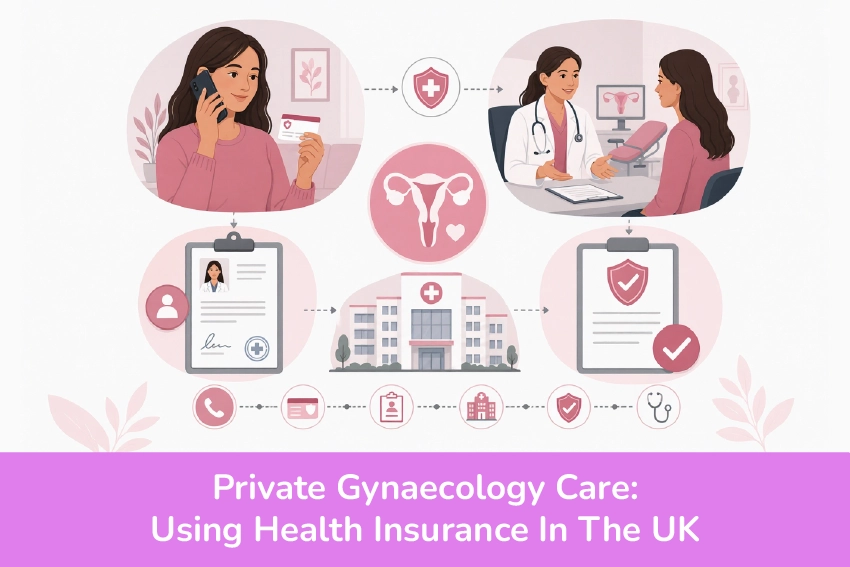
Are you thinking about booking a gynaecologist appointment but unsure where to begin? How can you know if your health insurance covers the consultations, scans or diagnostic tests? Understanding how the process works can help you feel less confused about the referrals, authorisation requirements, and what your policy might possibly include.
Whether you are experiencing pelvic pain, heavy periods, menopause symptoms, or other gynaecological concerns, timely support is a vital part to ensure your well-being. A private consultation at our clinic can help you receive prompt care along with treatment recommendations. Read this guide to understand the steps required in arranging your consultation. Detailed information on what to expect from your first appointment is also mentioned. Read on to know more.
A] Why Women Seek Private Gynaecology Services
Women’s health can vary across different stages of their life. Timely access plays a key role in ensuring the best possible outcomes for your reproductive health. With private gynaecology services, you get access to benefits such as flexibility, personalised support and access to specialised treatments. Not just this, private gynaecology services also offer a good opportunity to discuss your symptoms in a detailed manner. For many women the desire to seek private gynaecology care could also be driven by faster access to appointments and continuity of care.
At Women’s Healthcare, we provide treatment plans for a wide range of gynaecological concerns. Read our first-visit guide to understand what you might be expected to bring on your first gynaecology appointment.
Want Healthcare to Cover Your Treatment?
B] What Gynaecology Services Can Be Accessed Privately?
Women often seek private gynaecology care for concerns such as heavy periods, pelvic pain, abnormal bleeding, ovarian cysts, fibroids, endometriosis, and menopause-related symptoms. Private consultations are also a good option for women who are planning a pregnancy, experiencing fertility concerns, or requiring investigations about their reproductive health. Sometimes diagnostic investigations involving ultrasound scans, blood tests, cervical assessments, and other specialist concerns might be required.
Read this blog to discover the common causes of heavy periods along with their treatment options.
C] Can Your Health Insurance Cover A Private Gynaecologist Appointment?
Most private medical insurance policies cover the cost of your gynaecological care. It is, however, vital that you enquire about the level of cover and specific terms in your policy. Before booking your appointment, it is ideal that you speak directly with your insurer. This is because some insurers require a referral with your GP. Others might also ask for pre-authorisation before consultations, tests, or your treatment. Here are some services that your health insurance might cover:
- Initial specialist consultations
- Follow-up appointments
- Ultrasound scans and diagnostic imaging
- Diagnostic procedures
- Blood tests and laboratory investigations
- Treatment for eligible gynaecological conditions
D] A Step-By-Step Guide To Booking Through Your Health Insurance
Booking a private gynaecology appointment becomes relatively easy when you understand the steps involved. Here are some guidelines that can help you book a consultation efficiently:
-
Review Your Insurance Policy
Taking time to review your policy can help you avoid delays, understand potential costs, and ensure you meet any requirements set by your insurer. One of the first things you can look for is that it covers the specialist outpatient consultations. This is because not all policies cover the same level of outpatient care. You can also look for what type of investigations are covered in your policy. Another important consideration to look for is the financial responsibility and referral from your GP.
-
Obtain A GP Referral If Required
Many private medical insurance providers require patients to obtain a referral from their GP. A referral letter can also be used to outline your symptoms, mention relevant medical history, or any other investigations. Keeping a copy of this letter will also help to streamline the booking process. These referrals could be from the NHS, a GP, a private GP or any other recognised professional. Just be sure to explain your symptoms clearly. You could also mention details about how they affect your daily life.
-
Contact Your Insurance Provider
Your insurer might ask you to provide your membership or policy number, details about your symptoms, or information from your referral letter. This conversation helps to develop a clear understanding of the potential benefits, which helps to avoid any misunderstandings. If your consultation is eligible for cover, it is likely that your insurer will guide you on the next steps to proceed with your booking. In some cases, an authorisation number or claim reference might be issued.
-
Confirm Your Consultant And Treatment Location
Before booking your appointment, it is important that you confirm your chosen consultant. Verifying these details can help you avoid any unexpected costs. Some providers even provide lists of approved consultants or referral pathways. Be sure to provide details if you have a specific consultant or clinic in mind. Getting these details helps you understand the consultant’s recognition status and the location where the treatment is provided. This is important to understand the differences in reimbursement levels or policy benefits received outside your network.
-
Gather the necessary documentation
Gathering the necessary documentation makes the booking process efficient, reduces administrative delays, and helps your specialist get access to your medical history. Here are some details that you might be asked to provide:
- Your health insurance provider details
- Insurance membership or policy number
- Pre-authorisation or claim reference number
- GP referral letter
- Previous blood test results
- Ultrasound, MRI, CT scan, or other diagnostic reports
- A list of current medications
- Information about previous treatments or procedures
Read this article to find the list of documents required from your GP or other specialists.
-
Book Your Private Gynaecologist Appointment
Once all details have been confirmed, you can proceed with booking your private gynaecology appointment. During this process, you can ask for details regarding the appointment availability, preferred consultation times, and the location of your visit. Once your appointment gets confirmed, you’ll likely receive other details, such as the date, time, location, or any other preparatory instructions. Patients attending their first appointments are often advised to come early to complete any registration forms or health questionnaires. This helps you feel prepared and organised, which creates a smooth experience.
Looking for a Private Gynaecologist in London?
Conclusion
While booking an appointment might seem complex initially, it often requires navigating referrals, authorisation requirements, policy terms, and provider networks. Reviewing your insurance policy, obtaining any required referrals, and confirming coverage with your insurer are some important steps you need to follow. Preparing the necessary documentation also helps you approach your appointment with better confidence and clarity. As a private gynaecologist in the UK, Women’s Healthcare provides support for a wide range of women’s health concerns. Contact us if you’re looking for a consultant-led team that is committed to providing expert guidance and tailored guidance based on your individual healthcare needs.
FAQs

Mr Nilesh Agarwal
Mr Nilesh Agarwal (GMC: 6059455) is a highly esteemed consultant gynaecologist based in London, specialising in high-risk obstetrics, minimal access surgery, and fertility. With over 20 years of international experience, he provides comprehensive, patient-centred care for conditions including endometriosis, fibroids, and polycystic ovaries. Known for his holistic approach and clinical excellence, Mr Agarwal is dedicated to empowering women through tailored treatments. He currently practises at leading institutions, including the Clementine Churchill Hospital and the Hospital of St John & St Elizabeth.