
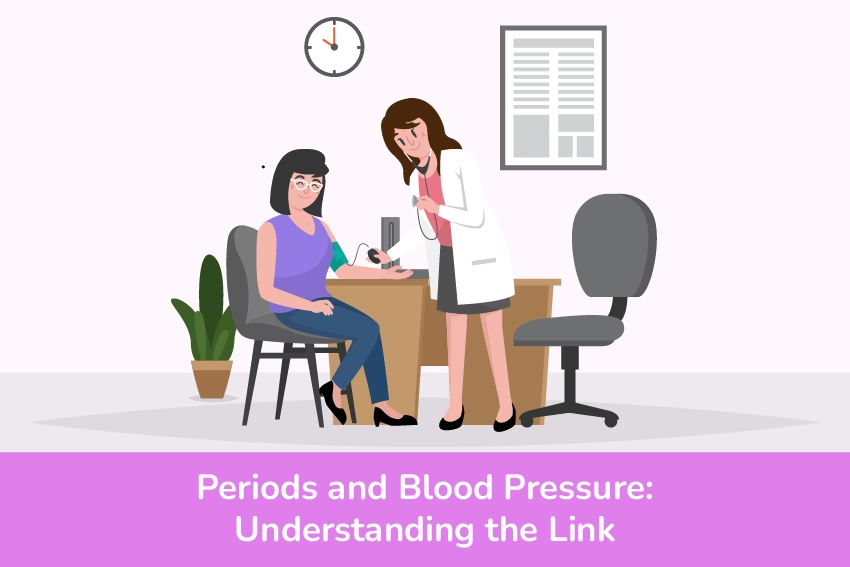
Many women notice how their bodies feel during their period. In addition to cramps and fatigue, symptoms such as dizziness, headache, or a feeling of faintness may indicate concerns regarding blood pressure. This may raise questions like whether a period can cause high blood pressure or whether excessively heavy bleeding can have an impact on the health of the heart.
Some feel concern about the heavy flow, along with a lack of strength or feeling light-headed. Others might have been tracking their blood pressure and might be aware of minor changes in their cycle. The interaction between menstrual changes and blood pressure is important to distinguish between normal and warning changes.
A] Understanding Blood Pressure in Women
Blood pressure for women can be described as the strength of the blood pushing against the walls of the arteries as the heart contracts. A normal reading is a range of about 120/80 mmHg, which may vary a few points depending on age, activity, and general health.
Some of the day-to-day factors that affect blood pressure include:
- Hormones
- Stress and emotional strain
- Dehydration
- Fatigue or lack of sleep
Since hormones fluctuate over the month, there is nothing wrong with some women finding that they have slightly different blood pressure levels based on whether they are pre-menstrual, during, or after their period.
Get medical advice tailored to your menstrual health and blood pressure.
B] Blood Pressure Changes During the Menstrual Cycle
Blood pressure changes during the menstrual cycle are strongly associated with hormone variations. Oestrogen and progesterone influence the relaxation or constriction of blood vessels and the retention of fluids in the body.
Higher levels of oestrogen in the first half of the cycle are able to aid in the enhancement of blood vessel flexibility, occasionally leading to a temporary drop in blood pressure. During ovulation, most women are more physically and psychologically stable.
During the follicular phase (days before menstruation), progesterone is prevalent. This stage can bring about water retention, bloating, and slight rises in blood pressure. Such common changes are commonly referred to as menstrual cycle blood pressure and are commonly temporary.
C] Can a Period Cause High Blood Pressure?
So, can a period cause high blood pressure? In most cases, menstruation itself does not cause long-term high blood pressure. However, short-lived increases can happen.
Pain from cramps, headaches, or backache may activate the body’s stress response, briefly raising blood pressure. Emotional sensitivity, disrupted sleep, and anxiety during PMS can also contribute to temporary spikes.
Symptoms such as a pounding headache, facial flushing, or a sense of pressure often resolve once pain settles and hormone levels stabilise.
D] Heavy Periods and High Blood Pressure
Women experiencing heavy bleeding often worry about heavy periods and high blood pressure, but heavy flow rarely raises blood pressure directly. Rather, the impacts are more indirect in nature.
The heavy periods may cause severe cramps, long-term discomfort, and dehydration, which affect the regulation of blood pressure in the body. The stress of having to control heavy bleeding in day-to-day life could also contribute to it.
A restrictive bleeding may result in a condition of menorrhagia when heavy menstrual bleeding becomes frequent or hard to control. Clinical guidance on heavy periods often focuses on identifying underlying causes rather than treating symptoms alone.
E] Anaemia Caused by Heavy Periods
Anaemia caused by periods is one of the most frequent consequences of continuous heavy bleeding, which leads to anaemia. Overly heavy menstruation may lead to iron deficiency, which diminishes the capacity to transport oxygen in the blood.
Typical anaemia symptoms include:
- Ongoing tiredness
- Dizziness or faintness
- Shortness of breath
- Difficulty concentrating
Low blood pressure-related symptoms are more likely to be experienced due to anaemia than high blood pressure. This is the reason why some women feel light-headed when standing up or feel weak, particularly on heavy flow days.
Anaemia can be verified through blood tests and the elimination of blood-related causes related to blood pressure.
F] When Heavy Periods Indicate a Health Concern
Not all heavy periods are a problem, but abnormal heavy bleeding during period cycles deserves medical assessment. Bleeding is generally considered abnormal if it lasts longer than seven days, includes large clots, or significantly disrupts daily activities.
Possible causes include fibroids, hormonal imbalance, PCOS, thyroid conditions, or clotting disorders. Some women also experience changes in cycle length or unpredictability alongside heavy flow.
Understanding cycle patterns and getting specialist support can make a significant difference in managing symptoms and preventing complications.
G] When to Seek Medical Help
Medical advice becomes especially important when blood pressure changes continue beyond your period or when heavy bleeding leads to persistent fatigue, breathlessness, or worsening dizziness.
Speaking with a healthcare professional who understands menstrual health can help connect symptoms that may seem unrelated. Care providers such as Women’s Healthcare often assess menstrual, hormonal, and overall health together rather than in isolation.
If you’re doubtful about your blood pressure rising due to periods, contacting a doctor can help clarify whether further evaluation or testing is needed.
Looking for a Private Gynaecologist in London?
Conclusion
Blood pressure changes and heavy periods tend to occur simultaneously, although there is seldom a direct cause-and-effect relationship. Anaemia and low blood pressure symptoms are more often associated with hormonal changes that can cause temporary changes to blood pressure.
It is important to observe patterns, duration, and intensity of symptoms. The continued loss of heavy blood, unexplained dizziness, and continually varying blood pressure must not be ignored. Understanding the causes can be efficiently controlled with a proper analysis.

Neha Goel
Neha Goel, a Psychology alumna and MBA graduate from CASS Business School, London, brings together her expertise as a Reiki Practitioner and Practice Manager. She integrates psychology and business strategies to foster holistic well-being and personal development.