
Pelvic Pain In Women: Possible Causes And Treatment Options
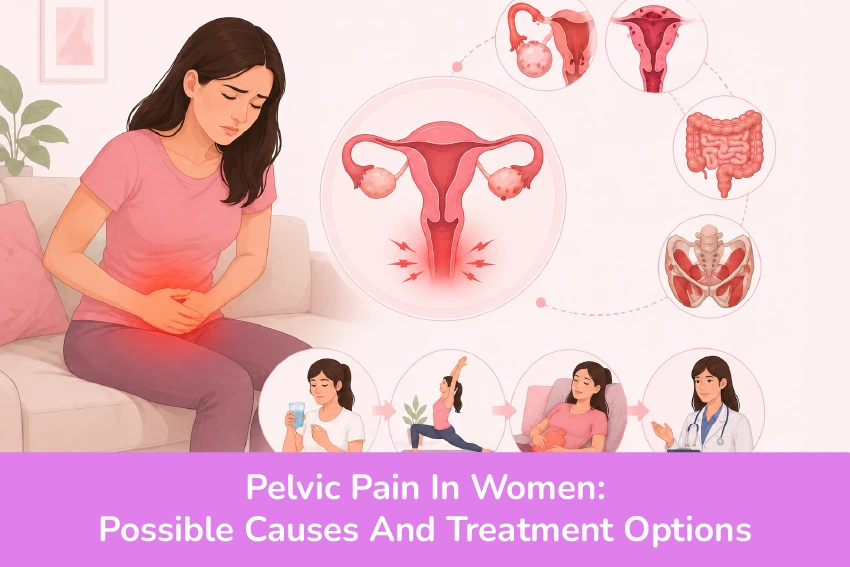
Are you experiencing sudden pelvic pain and wondering what might be the cause behind it? As pelvic pain is a common yet complex symptom, it can affect women at various stages of their lives. This pain can develop suddenly or could even continue for several months. In some cases, the pain could be related to natural physiological processes such as ovulation or the menstrual cycle, whereas in others it could be associated with some gynaecological conditions. Obtaining a thorough assessment will help to identify the cause and suggest an appropriate treatment. This blog aims to help you understand the common causes, available treatment options, and when you should ideally seek medical advice for pelvic pain. Read on to know more.
A] What Are The Common Causes Of Pelvic Pain In Women?
Pelvic pain can arise from a variety of conditions. For many women, it could be associated with hormonal changes and uterine contractions. However, this pain doesn’t always have to be period-related. Here are some common causes of pelvic pain in women:
1. Pelvic Pain Before Periods
Pelvic pain before periods is a common occurrence, often linked to natural hormonal changes that take place during your menstrual cycle. While some women experience mild discomfort, others may develop significant symptoms that can affect their daily activities. Symptoms such as bloating, lower back pain, fatigue, headaches, or changes in your bowel habits can become quite common. The pattern of these symptoms can provide important information regarding the cause.
2. Ovulation Pain
Some women tend to experience pelvic pain typically around the middle of their menstrual cycle. And while ovulation is normal, it could occasionally lead to noticeable pelvic symptoms. The discomfort here could appear as a mild ache, cramping sensation, sharp twinge, or even a feeling of pelvic pressure. And while the pain could last only for a few minutes, others can experience symptoms for a day or two. The exact reason, while not understood, is thought to be related to stretching of the ovarian surface.
3. Urinary Tract Infections (UTIs)
Urinary tract infections develop when bacteria enter the urinary system, affecting the bladder, urethra, or, in some cases, the kidneys. Due to anatomical factors, women are generally more susceptible to UTIs when compared to men. When a UTI affects your bladder, it can lead to irritation and inflammation within your urinary tract. Some describe this as a persistent ache, while others mention it as a sensation of heaviness or tenderness in the pelvis. Prompt medical attention is required to stop the infection from spreading further.
4. Pelvic Inflammatory Disease (PID)
Pelvic inflammatory disease develops when bacteria travel from the vagina or cervix into the upper reproductive tract, leading to inflammation or irritation. The discomfort here could range from a dull, persistent ache to more severe pain in the lower abdomen and pelvic region. Women can also report pelvic pressure, pain during sexual intercourse, abnormal vaginal discharge, irregular bleeding, or discomfort when passing urine. If left untreated, PID could lead to complications such as scarring within the fallopian tubes, chronic pelvic pain symptoms, or difficulties related to fertility.
Want Immediate Relief from Pelvic Pain?
B] What Are The Available Pelvic Pain Treatment Options?
Pelvic pain is not a condition in itself but rather a symptom that can arise from a wide range of gynaecological conditions. Due to this, each treatment is guided by an accurate diagnosis and a highly individualised treatment plan.
1. Hormonal Management
For many women, pelvic pain symptoms become more noticeable before or during menstruation. This suggests that hormones may play a role in triggering or worsening pelvic discomfort. Gynaecological conditions such as endometriosis and adenomyosis are often linked to hormonal changes within your body. By regulating hormonal activity, the severity and frequency of your symptoms can be reduced. Identifying the cause of your pelvic pain will help you determine if hormonal treatment is an appropriate option.
2. Antibiotics for infections
Whenever an infection is identified, antibiotics become a vital part of your treatment. This is because prompt treatment helps to eliminate the infection, reduce inflammation, and relieve discomfort. The type of antibiotic here will depend on the nature of the infection, the severity of symptoms, and the suspected bacteria. The advice here is to seek prompt medical attention when your symptoms first develop. It’s also important that you carefully follow the prescribed treatment plan and complete the full course of medication.
3. Physiotherapy
Physiotherapy aims to assess and address physical factors that may be contributing to your discomfort. This may be particularly beneficial for women experiencing chronic pelvic pain symptoms that continue even after treatment. By improving muscle function and movement patterns, physiotherapy supports better pelvic health and reduced strain on affected tissues. Physiotherapy is often used alongside other treatment approaches rather than as a standalone treatment.
4. Pain Management Support
Pain management support can play an important role in helping to relieve symptoms and improve the quality of your life. As each individual’s experience is different, strategies are often tailored based on your specific symptoms and underlying condition. Supportive measures such as medications, heat therapy, physical activity, relaxation techniques, and lifestyle modifications can be used to support your overall well-being.
C] When Should You Seek Medical Advice For Pelvic Pain?
Mild pelvic discomfort can occur as part of normal physiological processes and ideally should not be ignored. As this pain can arise from a wide range of underlying conditions, medical assessment is important for an accurate diagnosis and appropriate treatment. Persistent symptoms here might indicate an underlying gynaecological, urinary, digestive, or musculoskeletal condition that requires further investigation. Special attention should be given to sudden pelvic pain that develops unexpectedly or is severe in nature. Women who are pregnant should also seek appropriate care, especially if the pain is severe, persistent, or accompanied by bleeding.
As a private gynaecologist in London, Women’s Healthcare can help you develop an approach that not only relieves discomfort but also addresses the condition.
D] Recovery And Follow-Up
Her recovery was initially more challenging than anticipated due to a concurrent COVID-19 infection. And while this introduced additional complexity, close monitoring was undertaken to distinguish between the symptoms. Throughout her recovery, there were no significant indications of serious postoperative complications or other risks associated with laparoscopic hysterectomy. For precautionary measures, intravenous antibiotics were administered that would minimise the risk of postoperative infection. Given the patient’s recent surgery and concurrent illness, careful follow-up was undertaken to ensure that recovery was proceeding as expected. In conclusion, the patient had achieved a positive clinical outcome, with satisfactory healing and successful postoperative recovery.
E] What This Case Demonstrates
This case highlights the importance of individualised treatment planning when managing women with multiple uterine fibroids and a complex medical history. Factors such as previous surgery, a history of iron deficiency anaemia, uterine size, and the number of fibroids present can all influence the selection of your treatment strategy. Careful evaluation of the available fibroid treatment options helped ensure that the chosen approach addressed the underlying fibroid disease while preserving her ovarian function. It was through careful assessment, personalised treatment, appropriate management, and comprehensive follow-up care that a favourable clinical outcome was achieved.
As a private gynaecologist in London, Women’s Healthcare can help you with expert assessment and personalised care tailored to your individual needs. Contact us if you have been diagnosed with uterine fibroids or would like to discuss your treatment options with a specialist.
Looking for a Private Gynaecologist in London?
Conclusion
Pelvic pain is a common symptom affecting women of all ages. Understanding the potential causes of pelvic pain is an important step towards recognising when symptoms are a cause of concern. Conditions such as urinary tract infections, pelvic inflammatory disease, endometriosis, fibroids, ovarian cysts, and digestive disorders can all contribute to pelvic discomfort. The good news here is that a wide range of treatment options is available for pelvic pain. At Women’s Healthcare, our experts are here to help you with a personalised approach based on your individual concerns. Contact us if you’re looking for expert care, clear guidance, and ongoing support that will improve your overall well-being.
FAQs

Mr Nilesh Agarwal
Mr Nilesh Agarwal (GMC: 6059455) is a highly esteemed consultant gynaecologist based in London, specialising in high-risk obstetrics, minimal access surgery, and fertility. With over 20 years of international experience, he provides comprehensive, patient-centred care for conditions including endometriosis, fibroids, and polycystic ovaries. Known for his holistic approach and clinical excellence, Mr Agarwal is dedicated to empowering women through tailored treatments. He currently practises at leading institutions, including the Clementine Churchill Hospital and the Hospital of St John & St Elizabeth.